Home Window Tinting: Energy, Privacy, Comfort
Home window tinting guide focused on energy savings, UV protection, privacy, and comfort.
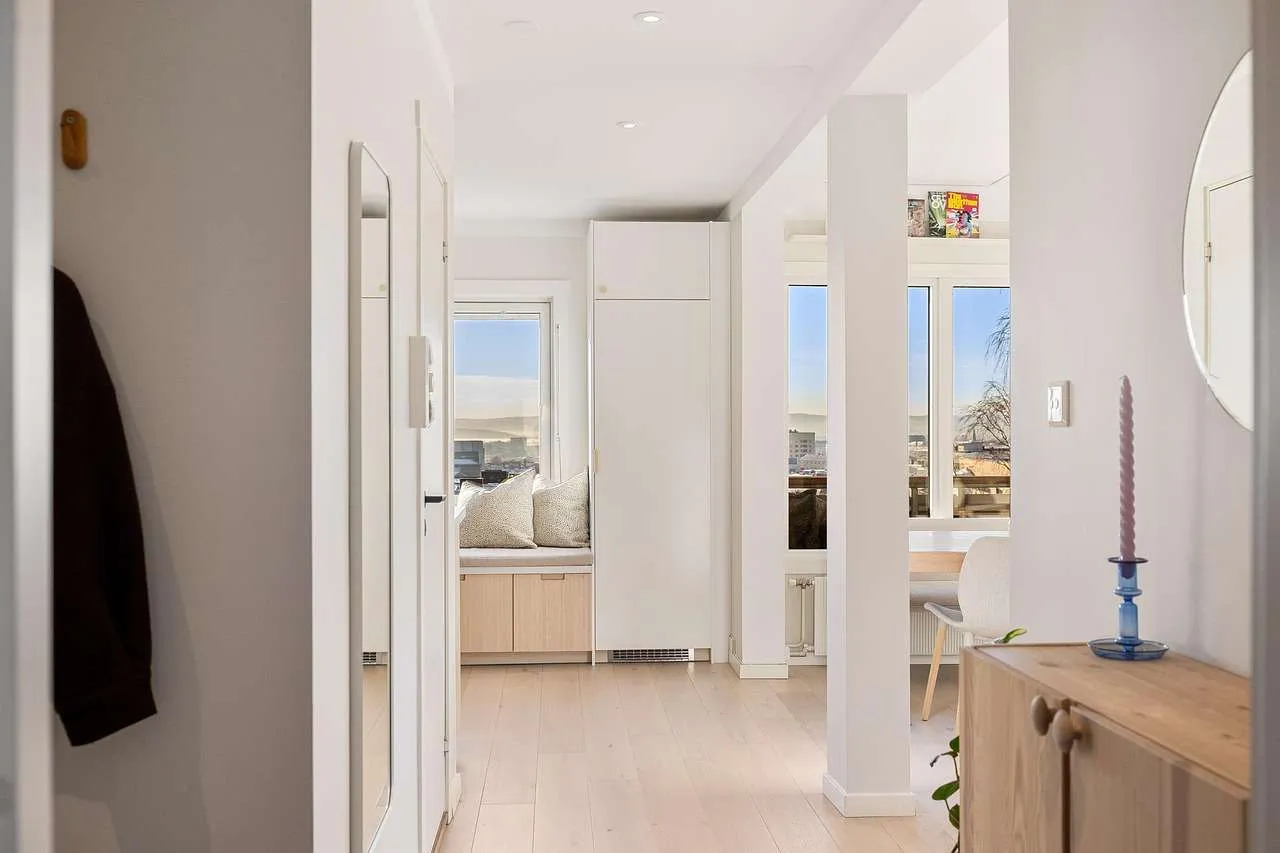
Home window tinting is the application of a thin film to interior or exterior glass to control light, heat, and glare. For homeowners, the goal is to improve comfort, reduce energy use, and enhance privacy without sacrificing natural daylight.
What is home window tinting?
Window tinting uses specialty films designed to modify how much solar energy enters a space. By reducing infrared heat and reflecting or absorbing sunlight, tinted windows keep interiors cooler in summer and warmer in winter, while preserving visibility. A quality installation also contributes to UV protection, which helps safeguard furnishings, flooring, and skin from sun damage.
Benefits of home window tinting
- Energy efficiency: Lower cooling loads in hot months and better insulation in winter.
- UV protection: Most films block up to 99% of harmful ultraviolet rays to prevent fading and skin exposure.
- Glare reduction: Improves comfort for screens, TVs, and reading without heavy drapes.
- Privacy and security: Visible tint increases privacy during the day and can deter intruders when paired with reflectivity.
- Aesthetics and value: A uniform look can enhance curb appeal and property value.
Types of window film
Choosing the right film depends on performance, cost, and aesthetic goals. Here are common options:
Dyed window film
Dyed films are inexpensive and darken interiors, providing basic privacy. They offer moderate heat rejection but can fade over time and may require replacement sooner than higher-performance films.
Metalized window film
Metalized films reflect a portion of solar energy, boosting heat rejection and reducing glare. They can interfere with electronics and create a reflective appearance from the outside, which may not suit all neighborhoods.
Ceramic window film
Ceramic films use nonconductive particles for high heat rejection, strong UV protection, and minimal reflectivity. They are popular for their balance of performance and aesthetics, though they come at a higher price.
Carbon and graphite (carbon/nano-ceramic) film
Carbon or nano-ceramic films provide excellent heat rejection with a non-reflective finish. They typically offer strong UV protection and long-term durability, making them a premium option for homes.
| Film Type | Heat Rejection | UV Rejection | Glare Reduction | Pros | Cons | Typical Cost per sq ft |
|---|---|---|---|---|---|---|
| Dyed window film | Moderate (25–40%) | Up to 99% | Low to moderate | Low cost; easy to install | Fades over time; privacy varies by angle | $1–3 |
| Metalized window film | High (40–60%) | Up to 99% | High | Strong heat rejection; durable | Potential electronics interference; reflective look | $2–4 |
| Ceramic window film | Very high (60–85%) | Up to 99% | High | Excellent performance; non-reflective | Higher cost | $5–8 |
| Carbon / nano-ceramic | Very high (65–90%) | Up to 99% | High | Superior heat rejection; non-reflective | Premium price | $7–12 |
Choosing a professional vs DIY
For safety, warranty, and performance, many homeowners choose a professional installer. Licensed, insured technicians bring consistency, proper surface preparation, and warranty coverage for film adhesion and workmanship. Ask candidates about product lines, installation standards, and post-installation care; request references and before/after photos of recent projects. DIY kits exist, but improper application can lead to bubbles, edge peeling, or heat hotspots that undermine efficiency.
Key considerations for homeowners
- Existing glazing: Some films perform differently on double-pane, low-E, or tempered glass. Always confirm compatibility.
- Visible light transmission (VLT): Higher VLTs keep interiors bright; lower VLTs enhance privacy and heat control. Choose a value that matches your daylight needs and local regulations.
- Local regulations: Some areas restrict reflectivity or require permits for exterior films. Check with your city or HOA.
- Warranty and maintenance: Look for manufacturer warranties and installer guarantees. Clean with non-ammonia cleaners to protect the film.
Maintenance and safety
Regular cleaning with a soft microfiber cloth and a mild, non-ammonia cleaner extends film life. Avoid abrasive materials that can scratch the surface. Have a professional inspect edges and seams during routine home maintenance to prevent peeling or bubbling, particularly in higher humidity climates.
Cost, ROI, and warranties
Prices vary by film type, square footage, and installation complexity. Expect lower upfront costs for dyed or standard films and premium pricing for ceramic or nan Ceramic options. A typical home retrofit can pay back in energy savings over several years, depending on climate, energy rates, and window orientation. Most high-quality films come with a 10–15 year warranty on adhesion and performance when installed by a licensed professional.
Conclusion: When considering home window tinting, balance first the desired level of heat, UV, and glare control with budget. Prioritize reputable installers, verify product warranties, and choose a film type aligned with climate and home aesthetics to maximize comfort and value over time.
Summary: Home window tinting offers energy savings, UV protection, privacy, and enhanced comfort. By selecting the right film type and a reputable installer, you maximize ROI while maintaining safety and appearance.