Metal Roofing Panels: Durability & Styles
Metal roofing panels guide: types, coatings, installation, and maintenance for durable, stylish roofs.
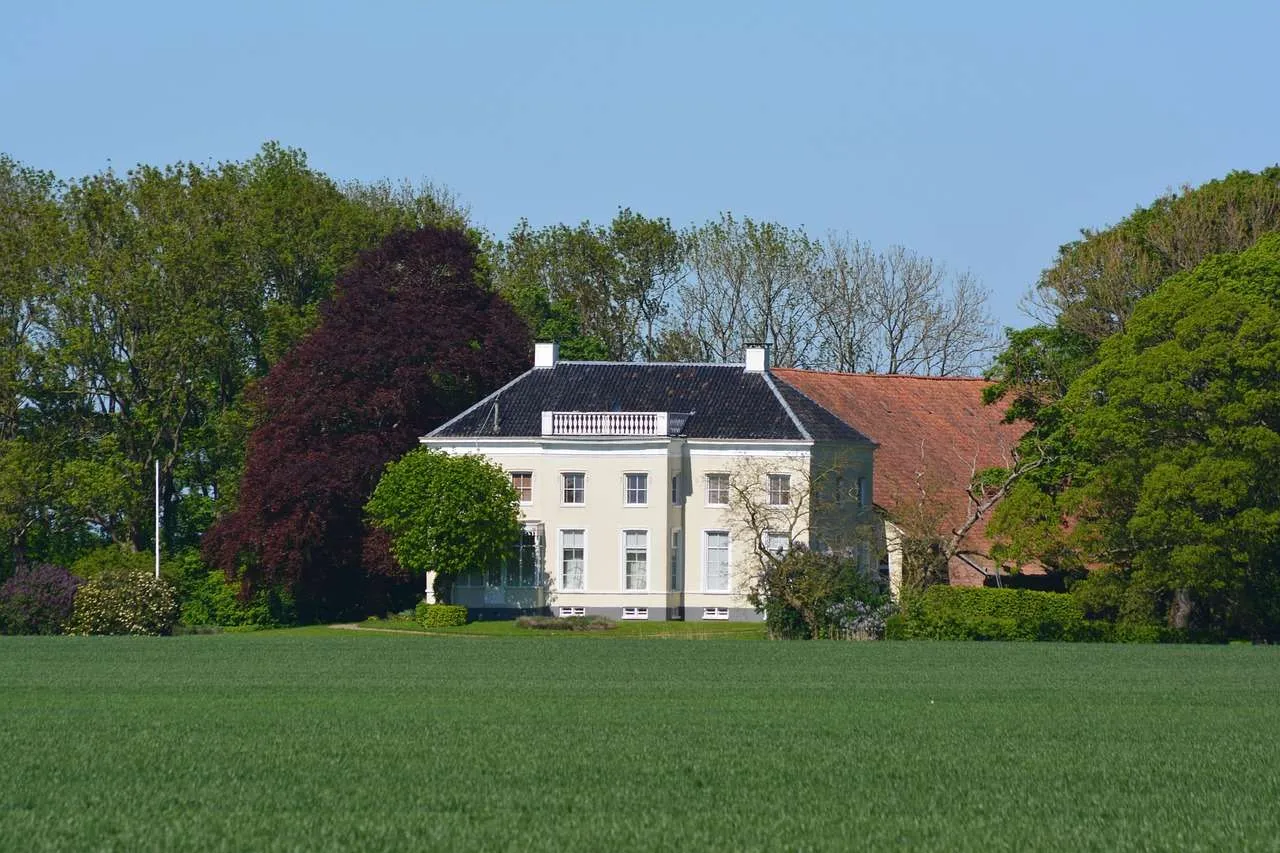
Choosing metal roofing panels involves understanding performance, climate, budget, and aesthetics. With decades of experience in roofing and building science, this guide covers core considerations for homeowners, contractors, and facility managers seeking durable, energy-efficient metal roofing panels.
Understanding metal roofing panels
Metal roofing panels are metal sheets formed into panels with varying profiles. They can be formed from steel, aluminum, copper, or zinc and finished with protective coatings. Panel designs range from concealed fasteners (standing seam) to exposed-fastener profiles (corrugated). Each type delivers a different balance of weather tightness, installation speed, and maintenance needs.
Popular panel styles
Standing seam metal panels
Standing seam panels feature a vertical or diagonal seam that locks panels together with concealed fasteners. This design minimizes penetrations, enhances wind uplift resistance, and provides a sleek modern appearance. They are especially popular for long, uninterrupted roof runs and commercial buildings but are increasingly used in residential projects with energy-efficient coatings.
Exposed-fastener corrugated panels
Exposed-fastener panels use visible screws or nails where the panel overlaps. They are typically lighter, lower-cost, and easy to install, making them a common choice for agricultural, barns, or mid-size homes. Modern coatings and sealant technologies improve weather resistance, though some homeowners still choose standing seam for longevity.
Metal shingles and tiles
Manufacturers offer metal shingles and tile profiles that mimic traditional roofing materials (asphalt shingles, clay tiles) with the durability and recyclability of metal. These options are favored for architectural aesthetics and building codes that require specific appearances while preserving long service life.
Materials and coatings
Material choice drives strength, weight, corrosion resistance, and cost. Common options include:
- Steel (galvanized or galvalume) with polymer coatings for color and protection
- Aluminum for lighter weight and corrosion resistance in coastal environments
- Copper or zinc for premium aesthetics and very long life (with patina developing over time)
Coatings matter. Kynar 500 or PVDF (polyvinylidene fluoride) finishes offer superior color retention and weather resistance, though they are pricier than polyester finishes. A textured or matte finish can reduce visible dirt and glare, improving curb appeal and energy efficiency by reflecting infrared radiation.
Durability, performance, and upkeep
Metal roofing panels deliver excellent durability, with resistance to wind, hail, and fire when properly installed. Longevity commonly exceeds 40–70 years, depending on material and maintenance. Panels that are properly installed with appropriate underlayment, venting, and sealants resist leaks during heavy storms. Routine inspection, cleaning of debris, and timely seal replacement extend life expectancy and preserve finish warranties.
Cost considerations and warranties
Initial cost for metal roofing panels can be higher than asphalt shingles, but long-term value often surpasses alternatives due to longevity, energy savings, and resale value. Materials, panel profile, coating, and the complexity of roof geometry influence price. Warranties typically cover material defects, coatings, and workmanship for 30–50 years, with longer warranties for premium materials like copper.
Selecting and installing metal roofing panels
Key steps to choose the right panels:
- Assess climate, wind speeds, and hail exposure to select a resilient profile.
- Consider coastal environments favoring aluminum or corrosion-resistant alloys.
- Balance aesthetic goals with budget; standing seam offers longevity, exposed-fastener options lower upfront costs.
- Choose high-quality coatings and colors with UV stability and warranty coverage.
- Hire qualified installers with experience in metal roof systems and proper flashing details.
Comparison of metal roofing panel types
| Panel Type | Material | Pros | Cons | Typical Lifespan |
|---|---|---|---|---|
| Standing seam | Steel, aluminum, or alloys | Concealed fasteners, excellent wind resistance, minimal maintenance | Higher cost, requires skilled installers | 40–70+ years |
| Exposed-fastener corrugated | Steel or aluminum | Lower cost, quick install | Visible fasteners, potential for leaks if not sealed | 30–50+ years |
| Metal shingles/tiles | Steel, aluminum; sometimes copper | Architectural look, good wind resistance | Higher cost, weight considerations | 40–60+ years |
| Copper/zinc panels | Copper or zinc alloys | Unique patina, longevity | Premium price, potential for patina change | 60–100+ years |
For energy efficiency, look for reflective coatings and cool-roof ratings. Solar-ready designs and proper attic ventilation will reduce cooling loads. Proper underlayment, flashing, and drip edges are essential to water-tight performance. When replacing a roof, consider the roof deck condition and attic access to ensure long-term reliability and a clean warranty.
Always verify credentials: local building codes, contractor licensing, and product warranties. Independent reviews, photos, and a transparent procurement process help validate expertise and trustworthiness, essential components of EEAT in any roofing project.
Conclusion, the right metal roofing panels depend on climate, budget, and goals. By understanding material options, panel styles, coatings, and installation requirements, you can choose a durable, energy-efficient system that protects your structure for decades. A trusted installer and quality materials underpin performance and value.
Summary: Metal roofing panels offer a wide range of styles and materials to match residential or commercial needs. Standing seam provides best weather sealing; exposed-fastener options cut costs; durable alloys and premium coatings extend life. With proper installation, maintenance, and warranties, metal roofing panels deliver long-term value, energy efficiency, and curb appeal.